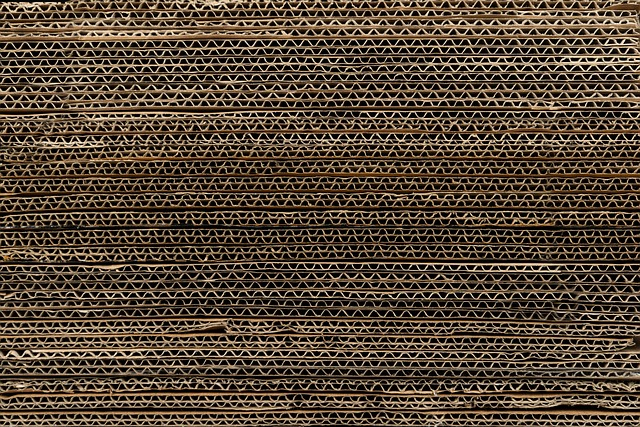



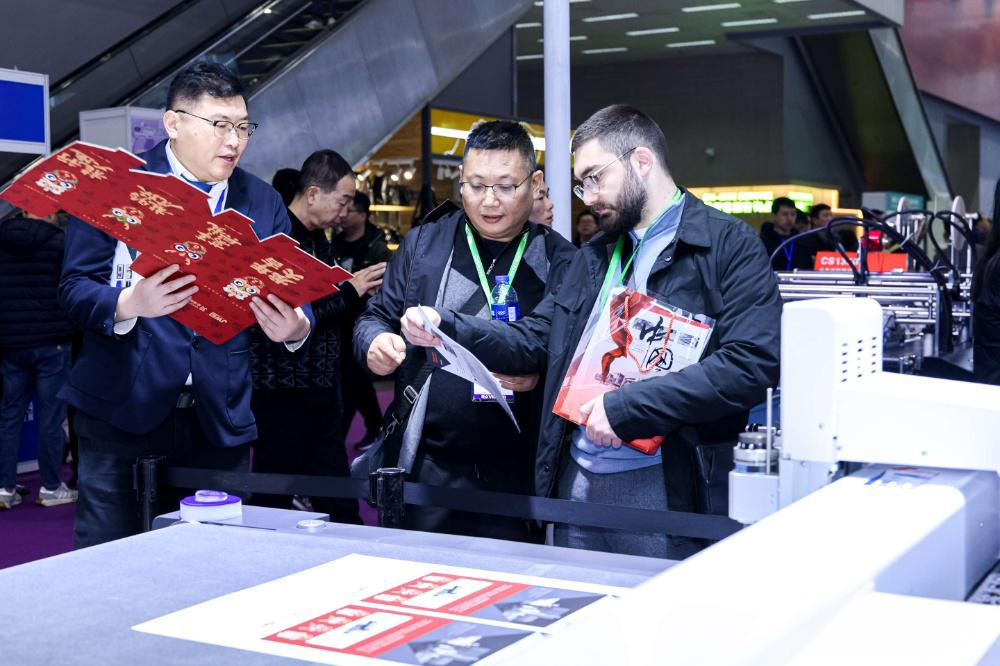
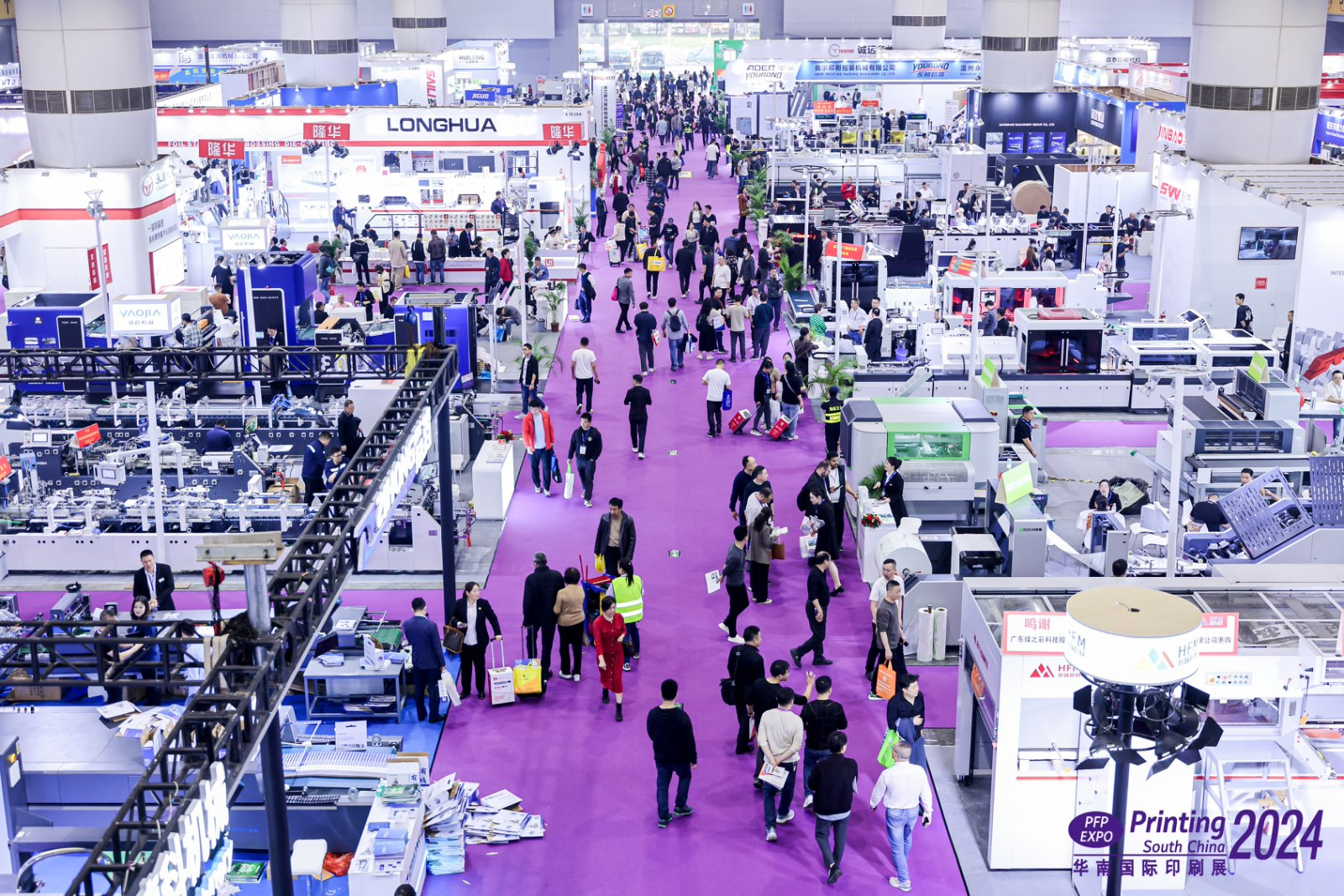
The key lies in diversifying equipment to handle heavier grammage and specialized coatings. Printers must move beyond traditional sheet-fed paper to systems capable of forming 3D shapes and applying grease-resistant layers. This transition can be made accessible through Printing South China’s dedicated "Paper Container Packaging Zone." By visiting this hall, you can source the specific machinery required for molded fiber and paper-box production, allowing commercial printers to pivot their business models toward the booming "plastic-to-paper" takeaway market.

The industry is moving toward water-based, biodegradable dispersions and seaweed-derived coatings. These coatings provide the same moisture and oil resistance as PE-lining but remain fully repulpable. While Printing South China emphasizes "Innovative Packaging Materials", it serves as a testing ground where you can touch and compare these new substrates. The show also bridges the gap between chemical innovation and practical printing, showcasing how these coatings perform on modern high-speed presses.

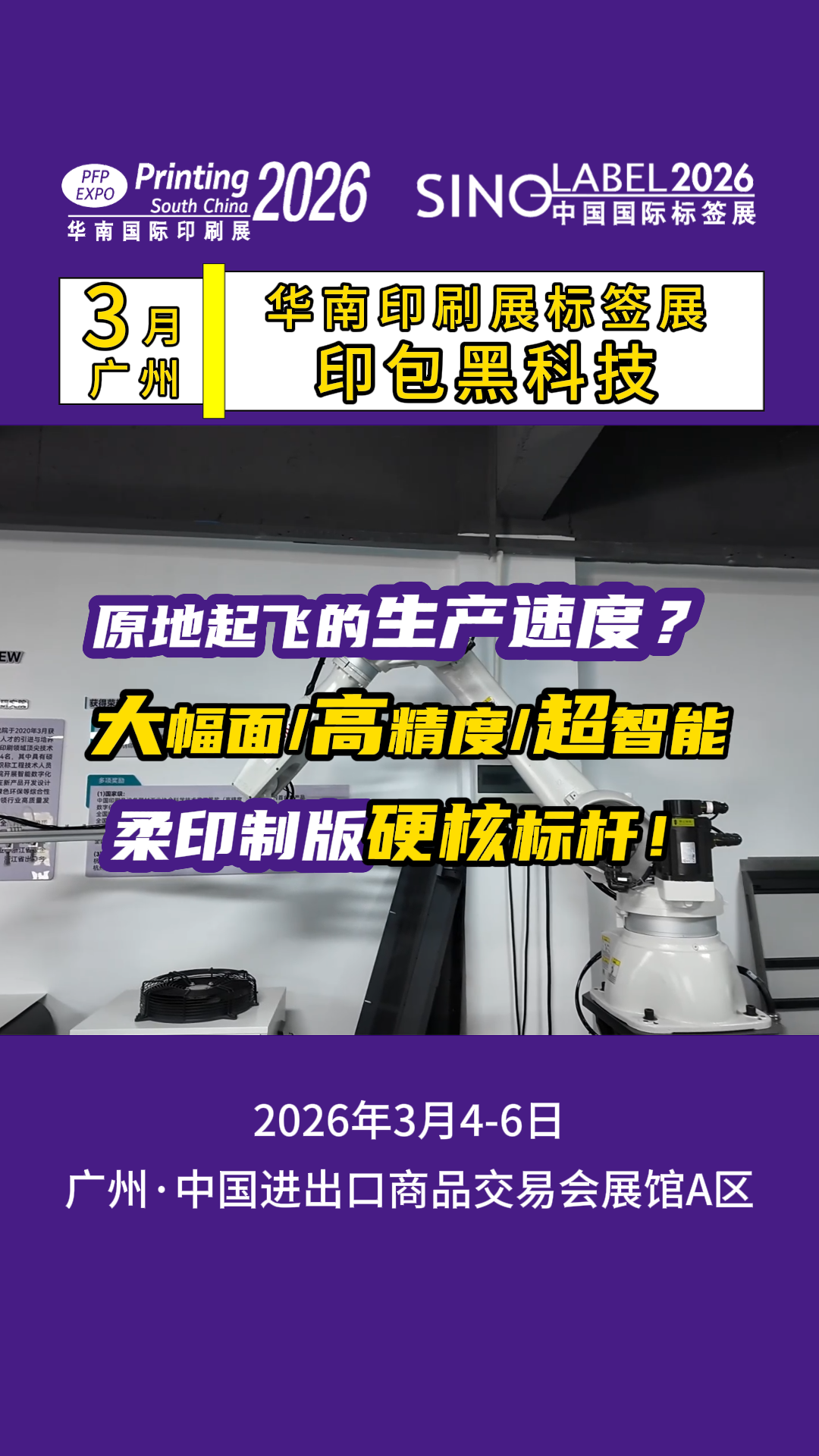
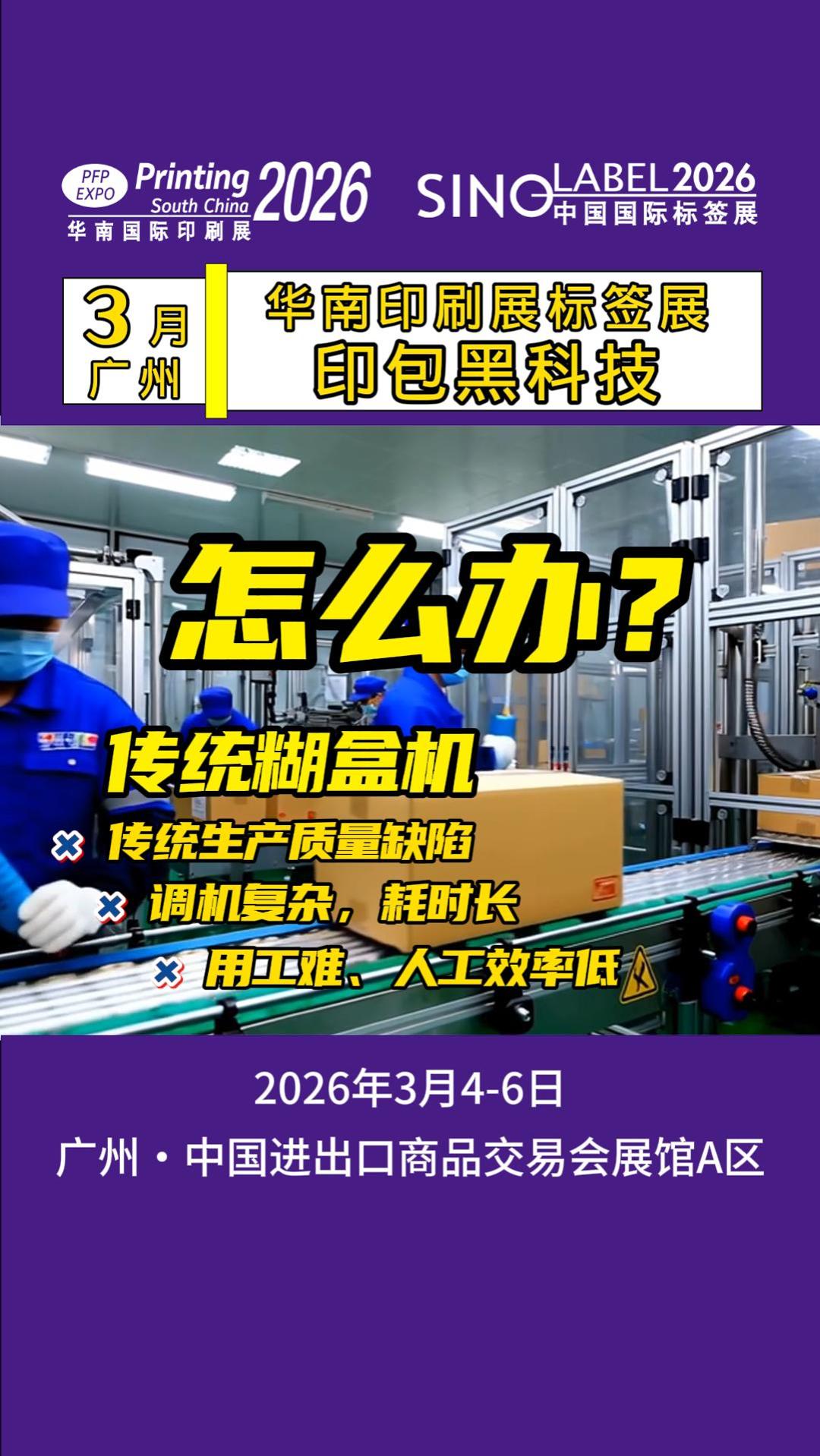
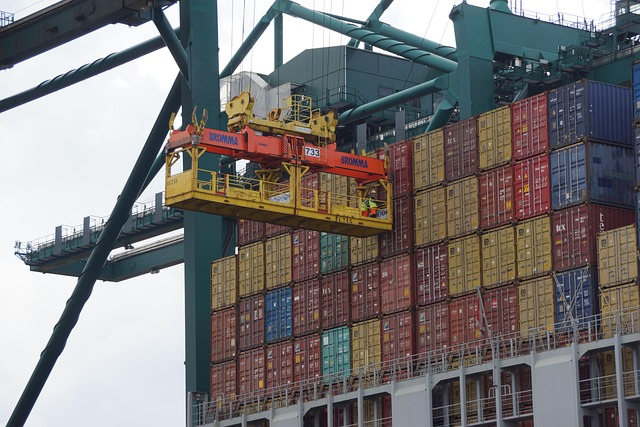
Collaborative robots (cobots) and AGVs (Automated Guided Vehicles) are now handling the heavy lifting of loading pallets and the delicate task of picking and placing finished boxes into shipping containers. This precision significantly lowers the margin for human error and injury. Recognizing the labor shortages in the industry, Printing South China features a heavy concentration of automatic post-press equipment. It specifically targets the "intelligent manufacturing" needs of the region, showcasing robotic arms and high-speed folder-gluers that allow a single operator to manage what used to require a team of five.

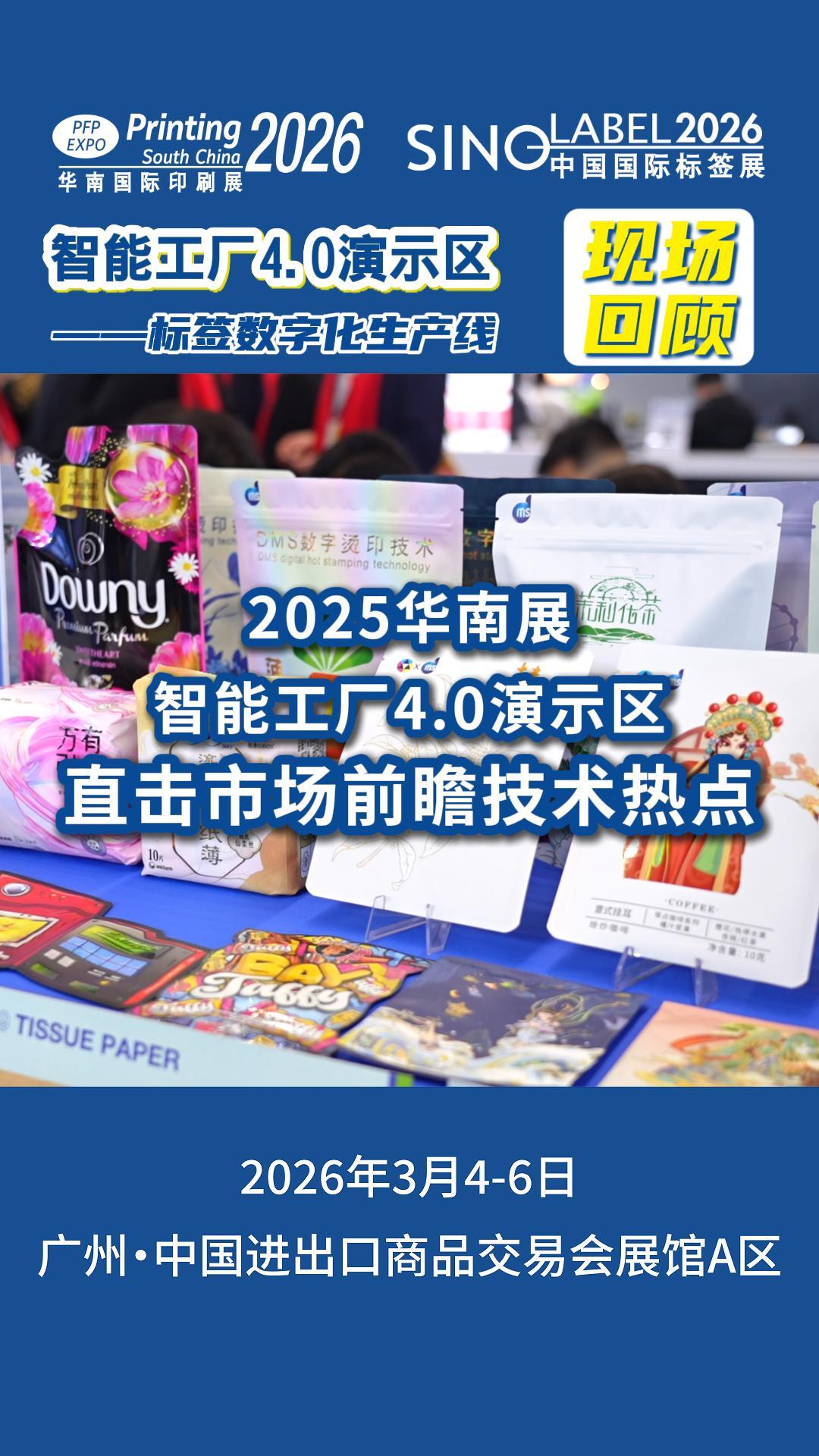
Modern integration is achieved through cloud-based MIS (Management Information Systems) and JDF workflows that allow machines to "talk" to each other. This eliminates manual data entry, reducing the "dead time" between a job finishing on the press and starting at the die-cutter. One of the themses in Printing South China is"Smart Packaging & Automation" which highlights end-to-end digital workflows. Instead of viewing machines in isolation, the show organizes exhibitors to demonstrate "one-stop" production lines, showing how software from one vendor can seamlessly trigger hardware from another.